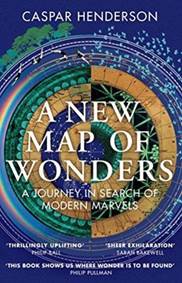
A New Map of Wonders
Knihu kúpite v
1 e-shope
od
13,25 €
Ak sa vám po kliknutí na tlačidlo "Do obchodu" nezobrazí stránka knihy vo vybranom e-shope, je potrebné vypnúť AdBlock vo vašom prehliadači pre našu stránku.
Návod na vypnutie je napríklad na adrese https://www.sme.sk/dok/20466299/ako-vypnut-adblock-na-sme-sk-whitelist.
Krátky popis
We live in a world that is known, every corner thoroughly explored.
But has this knowledge cost us the ability to wonder? Wonder,
Caspar Henderson argues, is at its most supremely valuable in just
such a world because it reaffirms our humanity and gives us hope
for the future. That's the power of wonder, and that's what we
should aim to cultivate in our lives.But what are the wonders of
the modern world?Henderson's brilliant exploration borrows from the
form of one of the oldest and most widely known sources of wonder:
maps. Large, detailed mappae mundi invited people in medieval
Europe to vividly imagine places and possibilities they had never
seen before: manticores with the head of a man, the body of a lion,
and the stinging tail of a scorpion, tribes of one-eyed men who
fought griffins for diamonds, and fearsome Scythian warriors who
drank the blood of their enemies from their skulls. As outlandish
as these maps and the stories that went with them sound to us
today, Henderson argues that our views of the world today are
sometimes no less incomplete or misleading.Scientists are only
beginning to map the human brain, for example, revealing it as
vastly more complex than any computer we can conceive. Our current
understanding of physical reality is woefully incomplete. A New Map
of Wonders explores these and other realms of the wonderful, in
different times and cultures and in the present day, taking readers
from Aboriginal Australian landscapes to sacred sites in Great
Britain, all the while keeping sight questions such as the
cognitive basis of wonder and the relationship between wonder and
science.Beautifully illustrated and written with wit and moral
complexity, this sequel to The Book of Barely Imagined Beings is a
fascinating account of the power of wonder and an unforgettable
meditation on its importance to our future.
Výber kníh autorov
Granta Books ,
Caspar Henderson





Zobraziť všetky knihy autora
Granta Books,
Caspar Henderson
Výber kníh vydavateľa
Slovart
Zobraziť všetky knihy vydavateľa
Slovart
Naše tipy