A World of Our Own
Knihu kúpite v
1 e-shope
od
37,00 €
Ak sa vám po kliknutí na tlačidlo "Do obchodu" nezobrazí stránka knihy vo vybranom e-shope, je potrebné vypnúť AdBlock vo vašom prehliadači pre našu stránku.
Návod na vypnutie je napríklad na adrese https://www.sme.sk/dok/20466299/ako-vypnut-adblock-na-sme-sk-whitelist.
Krátky popis
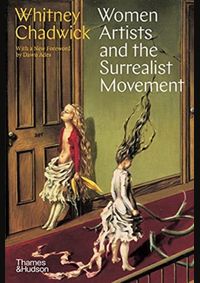
A new edition of one of the first books to focus on the world of
women artists and their practice. Women have always practised as
artists, but for centuries the art world considered them mere
dilettantes. Their work was derided as second-rate and they were
considered intruders in a male profession.This study examines how,
against the odds, they overcame these difficulties and shifts the
focus away from women artists as ‘victims’ to give an account of
how they actually practised their art. This stirring account
documents the centuries-long struggle of gifted women who
confronted the exclusionary tactics of a male-dominated art
establishment but pressed ahead undaunted to gain acceptance as
sought-after professionals. Frances Borzello takes readers deep
into the restricted world of women artists of the past, showing how
diligently they trained themselves, set up studios, and pursued
sympathetic patrons.Starting with Renaissance painters Sofonisba
Anguissola and Lavinia Fontana, the book reconstructs the changing
world of women artists as social attitudes evolved.
Seventeenth-century painters Artemisia Gentileschi and Judith
Leyster enjoyed success by depicting subjects relevant to women, as
did eighteenth-century greats Angelica Kauffmann and Elisabeth
Vigée-Lebrun with their themes of motherhood. Further breakthroughs
came in the nineteenth century as young hopefuls Mary Cassatt and
Marie Bashkirtseff strove to be admitted to exhibiting societies
and opened art schools.Finally, as equality for women advanced
through the twentieth century, Augusta Savage, Georgia O’Keeffe,
Frida Kahlo, Cindy Sherman, Mona Hatoum and others led the way for
today's talented women to secure their rightful place in the annals
of art. Now fully revised and updated, Frances Borzello's engaging
narrative continues to inspire.
Výber kníh autorov
Thames & Hudson Ltd ,
Frances Borzello


Zobraziť všetky knihy autora
Thames & Hudson Ltd,
Frances Borzello
Výber kníh vydavateľa
Slovart
Zobraziť všetky knihy vydavateľa
Slovart
Naše tipy