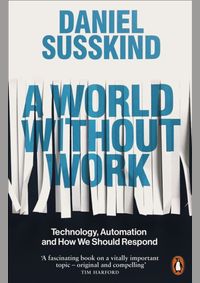
A World Without Work
Knihu kúpite v
2 e-shopoch
od
11,88 €
Ak sa vám po kliknutí na tlačidlo "Do obchodu" nezobrazí stránka knihy vo vybranom e-shope, je potrebné vypnúť AdBlock vo vašom prehliadači pre našu stránku.
Návod na vypnutie je napríklad na adrese https://www.sme.sk/dok/20466299/ako-vypnut-adblock-na-sme-sk-whitelist.
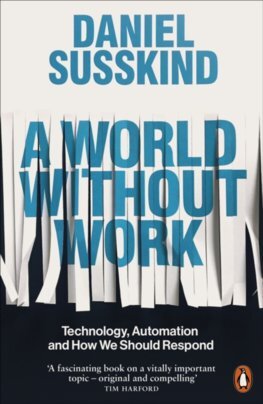
Krátky popis
SHORTLISTED FOR THE FT &,amp, McKINSEY BUSINESS BOOK OF THE
YEAR AWARDS 2020The Sunday Times Best Business Books of the Year
2020The Times of London Best Business Books of the Year 2020The
Financial Times Best Books of the Year 2020Fortune Magazine Best
Business Book of the Year 2020 FiveBooks.com Best Non-Fiction of
2020 Inc.com Best New Business Books of 2020'A path-breaking,
thought-provoking and in-depth study of how new technology will
transform the world of work' Gordon Brown 'Compelling... Should be
required reading for any presidential candidate' New York TimesNew
technologies have always provoked panic about workers being
replaced by machines. In the past, such fears have been misplaced,
and many economists maintain that they remain so today.Yet in A
World Without Work, Daniel Susskind shows why this time really is
different. Advances in artificial intelligence mean that all kinds
of tasks - from diagnosing illnesses to drafting contracts - are
increasingly within the reach of computers. The threat of
technological unemployment is real.So how can we all thrive in a
world with less work? Susskind reminds us that technological
progress could bring about unprecedented prosperity, solving one of
mankind's oldest problems: how to ensure everyone has enough to
live on. The challenge will be to distribute this prosperity
fairly, constrain the power of Big Tech, and provide meaning in a
world where work is no longer the centre of our lives. In this
visionary, pragmatic and ultimately hopeful book, Susskind shows us
the way.'Fascinating and tightly argued' Sunday Telegraph'This is
the book to read on the future of work in the age of artificial
intelligence. It is thoughtful and state-of-the-art on the
economics of the issue, but its real strength is the way it goes
beyond just the economics' Lawrence Summers, former Chief Economist
of the World Bank'A fascinating book about a vitally important
topic. Elegant, original and compelling' Tim Harford, author of The
Undercover Economist
Výber kníh autora
neuvedený autor








Zobraziť všetky knihy autora
neuvedený autor
Výber kníh vydavateľa
Slovart

Zobraziť všetky knihy vydavateľa
Slovart
Naše tipy