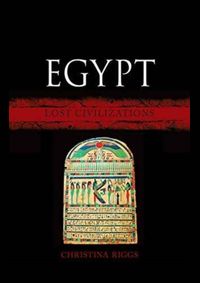
Egypt
Knihu kúpite v
1 e-shope
od
19,48 €
Ak sa vám po kliknutí na tlačidlo "Do obchodu" nezobrazí stránka knihy vo vybranom e-shope, je potrebné vypnúť AdBlock vo vašom prehliadači pre našu stránku.
Návod na vypnutie je napríklad na adrese https://www.sme.sk/dok/20466299/ako-vypnut-adblock-na-sme-sk-whitelist.
Krátky popis
From ancient Rome to the present day, ancient Egypt has been a
source of fascin--ation and inspiration in many other cultures. But
why? Christina Riggs introduces the history, art and religion of
Egypt from its earliest dynasties to its final fall to Rome - and
explores the influence ancient Egypt has had through the centuries.
Looking for a vanished past, she argues, always serves some purpose
in the present. Often characterized as a 'lost' civilization that
was 'discovered' by adventurers and archaeologists, Egypt has meant
many things to many different people. Ancient Greek and Roman
writers admired ancient Egyptian philosophy, a view that influenced
ideas about Egypt in Renaissance Europe and the Arabic-speaking
world. In the eighteenth century, secret societies like the
Freemasons still upheld the wisdom of ancient Egypt. This changed
when Egypt became the focus of Western military strategy and
economic exploitation in the nineteenth and early twentieth
centuries. The remains of ancient Egypt came to be seen as exotic,
primitive or even dangerous, embroiled as they were in the politics
of racial science and archaeology.The curse of the pharaohs, or the
seductiveness of Cleopatra, seemed to threaten foreign dominance in
the Middle East. Other visions of ancient Egypt inspired modernist
movements in the arts, such as the Harlem Renaissance and Egyptian
Pharaonism, fuelled by the 1922 discovery of the tomb of
Tutankhamun. Today, ancient Egypt is ubiquitous in museums,
television documentaries and tattoo parlours - wherever people look
for a past as ancient and impressive as they come.
Výber kníh autorov
Christina Riggs ,
Reaktion Books







Zobraziť všetky knihy autora
Christina Riggs,
Reaktion Books
Výber kníh vydavateľa
Slovart
Zobraziť všetky knihy vydavateľa
Slovart
Naše tipy