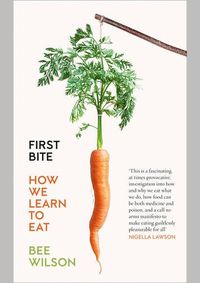
First Bite: How We Learn To Eat
Knihu kúpite v
1 e-shope
od
15,68 €
Ak sa vám po kliknutí na tlačidlo "Do obchodu" nezobrazí stránka knihy vo vybranom e-shope, je potrebné vypnúť AdBlock vo vašom prehliadači pre našu stránku.
Návod na vypnutie je napríklad na adrese https://www.sme.sk/dok/20466299/ako-vypnut-adblock-na-sme-sk-whitelist.
Krátky popis
We are not born knowing what to eat. We all have to learn it as
children sitting expectantly at a table. For our diets to change,
we need to relearn the food experiences that first shaped us.
Everyone starts drinking milk. After that it’s all up for grabs. We
are not born knowing what to eat, we each have to figure it out for
ourselves. From childhood onwards, we learn how big a portion is
and how sweet is too sweet. We learn to love broccoli – or not. But
how does this happen? What are the origins of taste? And once we
acquire our food habits, can we ever change them for the better? In
First Bite, award-winning food writer Bee Wilson draws on the
latest research from food psychologists, neuroscientists and
nutritionists to reveal how our food habits are shaped by a whole
host of factors: family and culture, memory and gender, hunger and
love. She looks at the effects siblings can have on eating choices
and the social pressures to eat according to sex. Bee introduces us
to people who can only eat food of a certain colour, toddlers who
will eat nothing but hot dogs, doctors who have found radical new
ways to help children eat vegetables. First Bite also looks at how
people eat in different parts of the world: we see how grandparents
in China overfeed their grandchildren, and how Japan came to adopt
such a healthy diet (it wasn’t always so). The way we learn to eat
holds the key to why food has gone so disastrously wrong for so
many people. But Bee Wilson also shows that both adults and
children have immense potential for learning new, healthy eating
habits. An exploration of the extraordinary and surprising origins
of our taste and eating habits, First Bite explains how we can
change our palates to lead healthier, happier lives.
Výber kníh autorov
Fourth Estate ,
Bee Wilson





Zobraziť všetky knihy autora
Fourth Estate,
Bee Wilson
Výber kníh vydavateľa
Slovart
Zobraziť všetky knihy vydavateľa
Slovart
Naše tipy