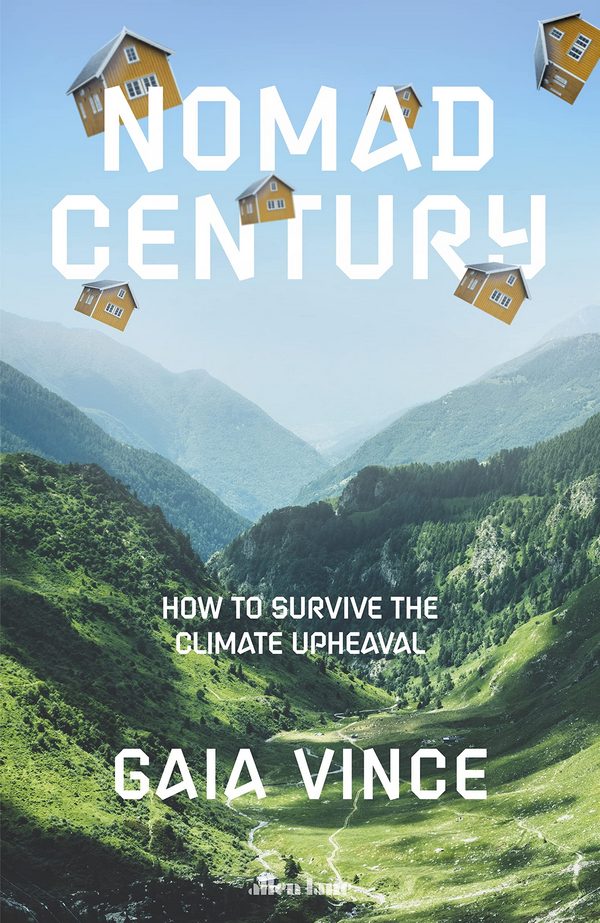
Nomad Century - Gaia Vince
Knihu Nomad Century - Gaia Vince aktuálne nie je možné zakúpiť v žiadnom z porovnávaných e-shopov...
Krátky popis
An urgent investigation of the most underreported, seismic
consequence of climate change: how it will force us to change where
- and how - we live We are facing a species emergency. With every
degree of temperature rise, a billion people will be displaced from
the zone in which humans have lived for thousands of years. While
we must do everything we can to mitigate the impact of climate
change, the brutal truth is that huge swathes of the world are
becoming uninhabitable. From Bangladesh to Sudan to the western
United States, and in cities from Cardiff to New Orleans to
Shanghai, the quadruple threat of drought, heat, wildfires and
flooding will utterly reshape Earth's human geography in the coming
decades. In this rousing call to arms, Royal Society Science Book
Prize-winning author Gaia Vince describes how we can plan for and
manage this unavoidable climate migration while we restore the
planet to a fully habitable state. The vital message of this book
is that migration is not the problem - it's the solution. Drawing
on a wealth of eye-opening data and original reporting, Vince shows
how migration brings benefits not only to migrants themselves, but
to host countries, many of which face demographic crises and labour
shortages. As Vince describes, we will need to move northwards as a
species, into the habitable fringes of Europe, Asia and Canada and
the greening Arctic circle. While the climate catastrophe is
finally getting the attention it deserves, the inevitability of
mass migration has been largely ignored. In Nomad Century, Vince
provides, for the first time, an examination of the most pressing
question facing humanity.
Výber kníh autora
Vince Gaia
Zobraziť všetky knihy autora
Vince Gaia
Výber kníh vydavateľa
Penguin Books



Zobraziť všetky knihy vydavateľa
Penguin Books
Naše tipy