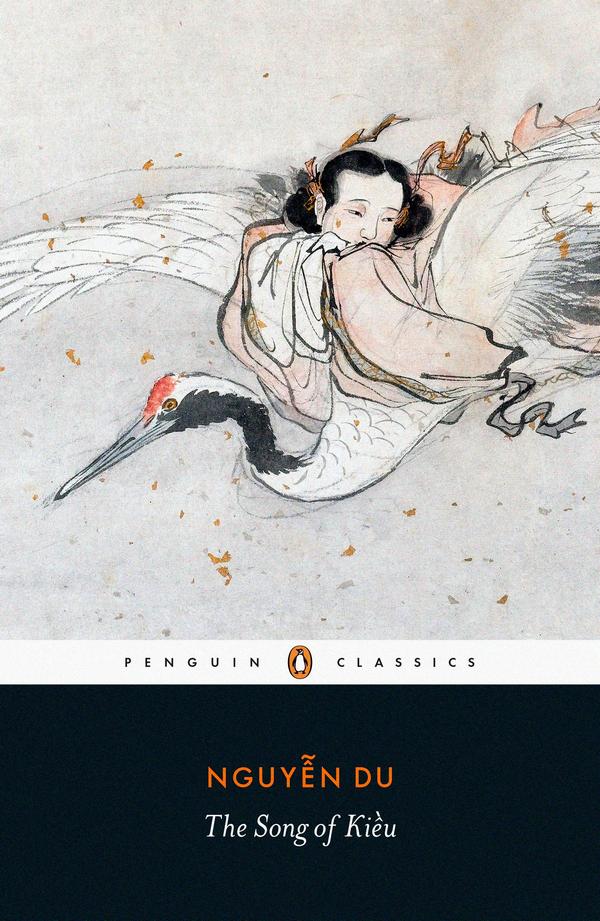
The Song of Kieu: A New Lament
Knihu The Song of Kieu: A New Lament aktuálne nie je možné zakúpiť v žiadnom z porovnávaných e-shopov...
Krátky popis
'An essential book for anyone invested, not only in Vietnamese
literature, but the historic power of the national epic . . .and
its perennial place in our species' efforts toward self-knowledge.
Tim Allen's new translation offers clean fluidity while honouring
the original's varied rhythms and jagged lyricism. A luminous
feat.' Ocean Vuong, winner of the 2017 T.S. Eliot Prize'For
elegance and sheer readability I doubt if it could be equalled.
English readers already familiar with Kieu will be delighted by its
musicality.And those who have not previously encountered Kieu will
wonder how such a masterpiece could so long have eluded them.' John
Keay'Timothy Allen's translation of the Vietnamese epic The Song of
Kieu is magnificent. [In language] capable of exquisitely beautiful
love scenes, throat-catchingly eloquent nature passages and moments
of humour, he renders an obscure masterpiece into a strikingly
contemporary one.' William WallEver since it exploded into
Vietnam's cultural life two centuries ago, The Song of Kieu has
been one of that nation's most beloved and defining central myths.
It recounts the tragic fate of the beautiful singer and poet Kieu,
who agrees to marry to save her family from debt but is tricked
into working in a brothel.Over the course of a swift-moving story
involving kidnap, war, jealous wives and rebel heroes, she will
become a queen, wife, nun, slave, victim and avenger, surviving
through the strength of her words and her wits alone. Translated
with an introduction by Timothy Allen
Výber kníh autora
neuvedený autor




Zobraziť všetky knihy autora
neuvedený autor
Výber kníh vydavateľa
Penguin Books




Zobraziť všetky knihy vydavateľa
Penguin Books
Naše tipy