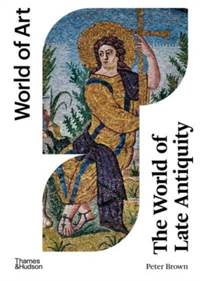
The World of Late Antiquity
Knihu kúpite v
1 e-shope
od
22,75 €
Ak sa vám po kliknutí na tlačidlo "Do obchodu" nezobrazí stránka knihy vo vybranom e-shope, je potrebné vypnúť AdBlock vo vašom prehliadači pre našu stránku.
Návod na vypnutie je napríklad na adrese https://www.sme.sk/dok/20466299/ako-vypnut-adblock-na-sme-sk-whitelist.
Krátky popis
A remarkable study in social and cultural change that explains how
and why the Late Antique world, between c. 150 and c. 750 AD, came
to differ from 'Classical civilization'.The first century AD was
one of momentous events: the end of the Roman empire, the rise of
Christianity across western Europe and the disappearance of Persia
from the Near East, an era in which the most deep-rooted of ancient
institutions disappeared for all time creating divergent legacies
which are still present. Renowned historian Peter Brown examines
these changes and the reactions to them, to show that the period of
Late Antiquity was one of outstanding new beginnings and
far-reaching impacts. The result is a lucid answer to a crucial
question in world history, how the exceptionally homogenous
Mediterranean world of the first century AD became divided into the
three mutually estranged societies of the Middle Ages: Catholic
Western Europe, Byzantium and the Islamic world.Brown’s
remarkable study in social and cultural transformation explains how
and why the Late Antique world, came to differ from the
â€~Classical civilization’ of the Greeks and Romans. Featuring a
new preface and updated with colour illustrations throughout, The
World of Late Antiquity demonstrates that we still have much to
learn from this enduring and intriguing period of history.
Výber kníh autorov
Peter Brown ,
Thames & Hudson



Zobraziť všetky knihy autora
Peter Brown,
Thames & Hudson
Výber kníh vydavateľa
Slovart

Zobraziť všetky knihy vydavateľa
Slovart
Naše tipy