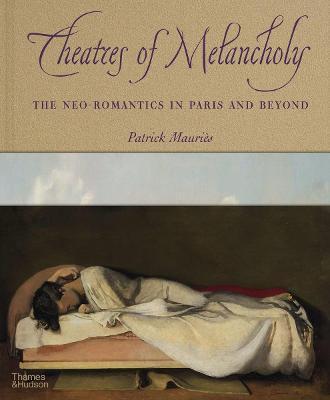
Theatres of Melancholy
Knihu kúpite v
2 e-shopoch
od
56,00 €
Ak sa vám po kliknutí na tlačidlo "Do obchodu" nezobrazí stránka knihy vo vybranom e-shope, je potrebné vypnúť AdBlock vo vašom prehliadači pre našu stránku.
Návod na vypnutie je napríklad na adrese https://www.sme.sk/dok/20466299/ako-vypnut-adblock-na-sme-sk-whitelist.
Krátky popis
The first substantial book on the French Neo-Romantics, a
cosmopolitan group working in 1920s Paris who turned against
modernist abstraction in favour of a new form of figurative
painting. In 1926, the Galerie Druet in Paris made waves presenting
a group of young painters who had spurned modernist abstraction and
returned to a form of figurative painting. For most of them this
was the first time they had exhibited, but their impact was
considerable.Art critic Waldemar George baptized them the
'Neo-Romantics' or the 'Neo-Humanists'. They were influenced by
Picasso, in particular his Blue and Rose periods, but went beyond
him to forge new ways of painting. These were artists who liked to
play with forgotten references and obsolete visual devices such as
trompe l'oeil.They produced work for secondary art forms including
the theatre, set design and ballet. In some ways they were the
first post-modernists in the history of art, yet until now there
has only ever been one book about them, After Picasso, published
ten years after their exhibition. Only more recently has their
influence on contemporary artists and thinkers including Max Jacob,
George Hugnet and Gertrude Stein been recognized.Though friends,
these painters never formed a formal group or movement. The Second
World War sent them on different paths, with the Berman brothers
and Tchelitchev moving to the United States. Before their
departure, however, their activities attracted the attention and
admiration of a cosmopolitan group of characters, including
Gertrude Stein, Alfred Barr, Lincoln Kirstein, George Balanchine
and many others including leading fashion figures of the day,
Christian Dior and Elsa Schiaparelli.
Vývoj ceny
Aktuálna Ø cena knihy Theatres of Melancholy je 56,00 €
Výber kníh autorov
Thames & Hudson ,
Patrick Mauries




Zobraziť všetky knihy autora
Thames & Hudson,
Patrick Mauries
Výber kníh vydavateľa
Slovart

Zobraziť všetky knihy vydavateľa
Slovart
Naše tipy