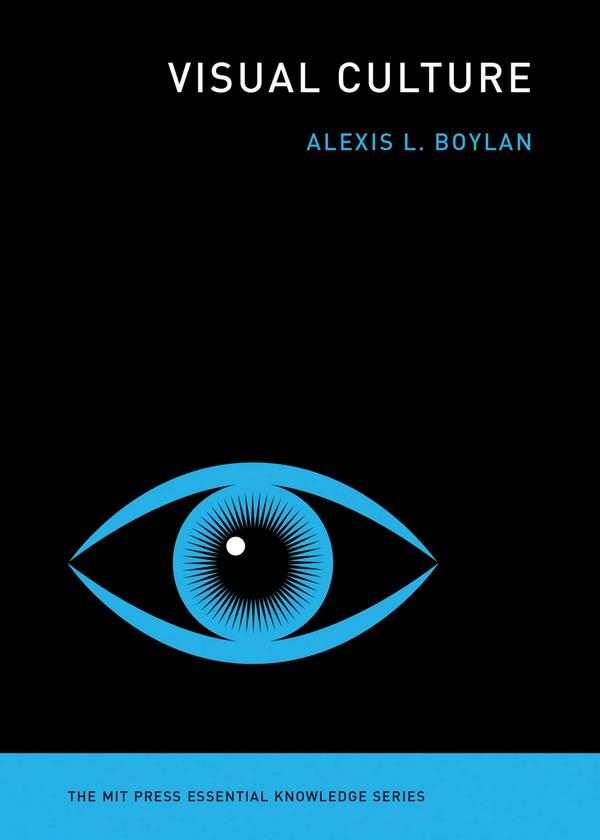
Visual Culture
Knihu Visual Culture aktuálne nie je možné zakúpiť v žiadnom z porovnávaných e-shopov...
Krátky popis
How to think about what it means to look and see: a guide for
navigating the complexities of visual culture.The visual surrounds
us, some of it invited, most of it not. In this visual environment,
everything we see--color, the moon, a skyscraper, a stop sign, a
political poster, rising sea levels, a photograph of Kim Kardashian
West--somehow becomes legible, normalized, accessible. How does
this happen? How do we live and move in our visual environments?
This volume in the MIT Press Essential Knowledge series offers a
guide for navigating the complexities of visual culture, outlining
strategies for thinking about what it means to look and see--and
what is at stake in doing so.Visual culture has always been
inscribed by the dominant and by domination. This book suggests how
we might weaponize the visual for positive, unifying change.
Drawing on both historical and contemporary examples--from Judy
Chicago's The Dinner Party and Beyonce and Jay-Z at the Louvre to
the first images of a black hole--Alexis Boylan considers how we
engage with and are manipulated by what we see.She begins with what
what is visual culture, and what questions, ideas, and quandaries
animate our approach to the visual? She continues with where where
are we allowed to see it, and where do we stand when we look? Then,
who whose bodies have been present or absent from visual culture,
and who is allowed to see it? And, finally, when is the visual
detached from time? When do we see what we need to see?
Výber kníh autora
neuvedený autor








Zobraziť všetky knihy autora
neuvedený autor
Výber kníh vydavateľa
MIT Press


Zobraziť všetky knihy vydavateľa
MIT Press
Naše tipy